Category: Uncategorized

  • Bali Dry Season (April–October) vs Rainy Season (November–March): Which Is Better for Sightseei

    Bali Dry Season (April–October) vs Rainy Season (November–March): Which Is Better for Sightseeing in 2027?
    Bali Dry Season (April–October) vs Rainy Season (November–March): Which Is Better for Sightseeing in 2027?

    Key Takeaways

    • Bali dry season offers clear skies and ideal conditions for sightseeing and outdoor activities.
    • Rainy season in Bali is less crowded, offering a more relaxed sightseeing experience.
    • Both seasons provide unique cultural events and festivals, enhancing the Bali travel experience.
    • Consider weather preferences and crowd levels when deciding the best time for Bali sightseeing.


    Bali Dry Season vs Rainy Season for Sightseeing in 2027

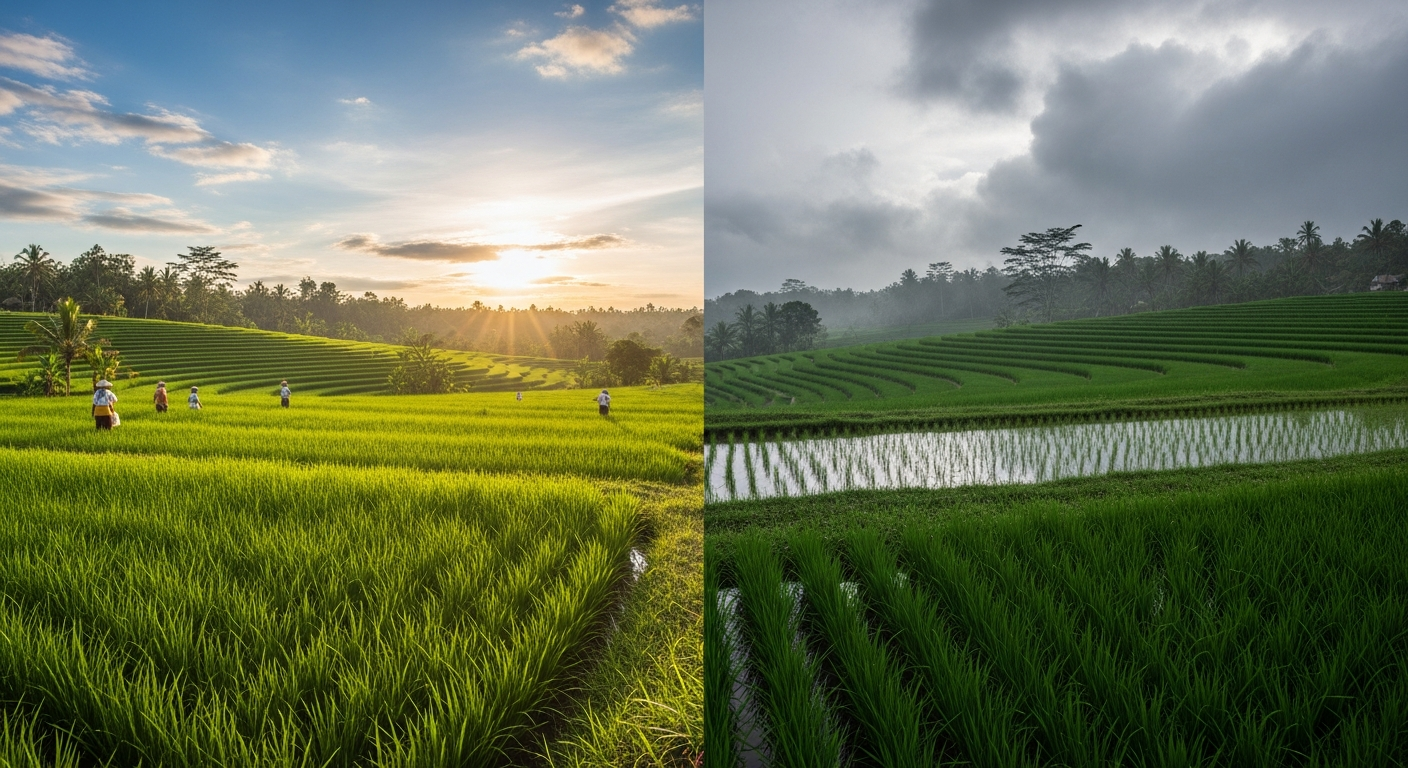
    The best time for sightseeing in Bali largely depends on personal preferences, as both the dry and rainy seasons offer unique experiences. However, the dry season from April to October is generally favored for outdoor activities, while the rainy season from November to March presents a quieter, more relaxed atmosphere.

    Weather Conditions: Dry Season

    The dry season in Bali, which spans from April to October, is characterized by warm and sunny weather, making it an ideal time for sightseeing. Average temperatures during this period range between 27°C to 32°C (81°F to 90°F). Visitors can expect minimal rainfall, allowing for uninterrupted exploration of Bali’s natural and cultural attractions. The dry season is particularly advantageous for visiting outdoor landmarks such as the Ubud Monkey Forest, Mount Batur, and the iconic Tanah Lot Temple. During this period, popular beaches like Nusa Dua and Seminyak offer notable conditions for sunbathing and water activities. The dry season is also known for its lively festivals such as the Bali Arts Festival, which takes place annually in Denpasar.

    This season also coincides with Bali’s peak tourist period, resulting in busier attractions and higher accommodation prices. Despite the crowds, the clear skies and gentle ocean breezes make it perfect for beach days and water sports. For those planning a trip in 2027, booking accommodations and tours in advance is recommended to secure the best options. Luxury resorts along the coastline can range in price from $150 to $500 per night, while more budget-friendly options are available in Ubud and other inland areas. Visitors during this time can also enjoy busy night markets, offering a variety of local foods and crafts.

    Weather Conditions: Rainy Season

    The rainy season from November to March brings a different ambiance to Bali. During this time, Bali experiences increased humidity and frequent, though typically short-lived, afternoon showers. Average temperatures remain warm, ranging from 26°C to 30°C (79°F to 86°F). The lush greenery of the island is most lively during this period, offering a stark contrast to the drier months. This is the perfect time for nature enthusiasts to witness the island’s rice paddies and rainforests at their most verdant. The rain also fills Bali’s waterfalls, such as Gitgit and Tegenungan, making them more spectacular than during the dry season.

    Visitors during the rainy season may find fewer crowds and more affordable prices on accommodations and tours. While some outdoor activities might be affected by rain, indoor attractions such as art galleries, museums, and traditional dance performances are great alternatives. The rainy season also provides an opportunity to witness Bali’s cultural festivities, such as Galungan and Kuningan, which are celebrated with lively ceremonies and processions. During this time, accommodations can see discounts of up to 50%, with luxury villas available from $100 per night. The season is also a great time to take part in yoga retreats, as many centers offer reduced rates.

    Popular Attractions During the Dry Season

    The dry season in Bali is perfect for exploring its famous beaches and cultural landmarks. Areas like Seminyak and Kuta are busy with activities, from surfing lessons to lively nightlife. In Ubud, the Tegalalang Rice Terraces offer striking views, while nearby, the Sacred Monkey Forest Sanctuary provides an intimate encounter with the island’s wildlife. Seminyak’s high-end boutiques and chic eateries draw crowds, while Kuta’s lively beach scene is ideal for those seeking sun and surf.

    For the adventurous, hiking up Mount Batur at sunrise is a must-do, offering panoramic views of the island. Coastal temples like Tanah Lot and Uluwatu are also accessible, with the latter hosting traditional Kecak dance performances against the backdrop of the setting sun. The dry season also allows for day trips to Nusa Penida, where visitors can explore its striking beaches and crystal-clear waters. The undersea world around the island is perfect for snorkeling and diving.

    Popular Attractions During the Rainy Season

    While some might shy away from Bali during the rainy season, this time offers its own set of unique experiences. The waterfalls around Bali, such as Tegenungan and Sekumpul, are particularly impressive, with greater water flow enhancing their dramatic impact. Visitors can enjoy these sights with fewer tourists around. The cooler temperatures make it an ideal time to explore Bali’s interior, including the artistic hub of Ubud with its crafts villages and art galleries.

    Indoor attractions such as the Bali Safari and Marine Park and the Bali Museum in Denpasar provide fascinating insights into the island’s natural and cultural heritage. This season is also ideal for experiencing Bali’s traditional spa treatments, as many resorts and wellness centers offer discounts during this quieter period. The rainy season serves as an excellent time to explore Bali’s culinary scene, with cooking classes that offer insights into local ingredients and traditional Balinese dishes.

    Travel Tips for the Dry Season

    If you decide to visit Bali during the dry season, it’s advisable to book flights and accommodations well in advance, as this is the peak tourist period. Bringing lightweight, breathable clothing and plenty of sunscreen is essential to stay comfortable during the hot, sunny days. Hydration is also crucial, especially when engaging in outdoor activities. Consider carrying a reusable water bottle; hydration stations are common around tourist areas.

    Transportation can be more congested during this time, so consider renting a motorbike or hiring a private driver to navigate the island efficiently. Early morning visits to popular sites can help you avoid the largest crowds and heat. For beach hopping along the coast, renting a scooter is a cost-effective and popular option among travelers, costing around $5 to $7 per day.

    Travel Tips for the Rainy Season

    For those visiting during the rainy season, it’s wise to carry an umbrella or rain poncho to stay dry during the occasional downpours. Comfortable, water-resistant footwear will also enhance your exploration, as some areas may become muddy or slippery. Many travelers also find that packing a light sweater is useful for cooler evenings.

    Take advantage of lower prices by exploring luxury accommodations and tours that might be out of budget during the dry season. Keep in mind that rain showers are typically brief, leaving plenty of time for sightseeing. Planning indoor activities during the wettest times of the day can help make the most of your visit. For those interested in photography, the rainy season offers lively and colorful landscapes, perfect for capturing striking images.

    Exploring Bali’s Wildlife

    Bali offers a rich notable of wildlife experiences that are accessible throughout the year. During the dry season, the Bali Safari and Marine Park is a must-visit, featuring over 100 species, including tigers, elephants, and orangutans. The park also offers night safaris, giving visitors a unique opportunity to experience the nocturnal activities of these animals. A single day entry pass costs approximately $50 USD, inclusive of a buffet lunch.

    In the rainy season, the Bali Bird Park in Gianyar provides shelter from the showers while offering encounters with over 250 bird species from Indonesia and beyond. The Bali Reptile Park, adjacent to the bird park, is home to a variety of reptiles, including the formidable Komodo dragon. Entry fees for the bird and reptile parks are around $35 USD for adults, offering a diverse day of wildlife exploration. Conservation efforts are showcased at both parks, making them educational stops for families and wildlife enthusiasts alike.

    FAQs

    Q? Is it cheaper to visit Bali during the rainy season? A: Yes, traveling during the rainy season typically offers more affordable accommodation rates and tour prices, as it is considered the low season for tourism. Visitors can enjoy discounts and fewer crowds, enhancing their overall experience on the island.

    Q? Are outdoor activities like hiking possible in the rainy season? A: While rain can occasionally disrupt outdoor activities, most showers are brief, allowing for hikes and other excursions to continue. It’s advisable to check weather forecasts and be prepared with appropriate gear such as waterproof clothing and shoes.

    Q? What are the average costs of accommodation during both seasons? A: Accommodation costs can vary significantly depending on location and type of lodging. During the dry season, prices are generally higher due to high demand. Conversely, the rainy season offers lower rates, with discounts often available for extended stays at hotels and resorts.


    For wider arrangements, our partner baliluxurytransport can coordinate end to end.

    Planning something bigger across Indonesia? For premium coordination visit balifasttrackairport.

    Explore all sanurtourism.com options and plan your trip.

    See also: What Is the Total Cost of a Bali Luxury Adventure 2027 Tour Including Double vs Single Occupancy?.

  • What Is the Total Cost of a Bali Luxury Adventure 2027 Tour Including Double vs Single Occupanc

    What Is the Total Cost of a Bali Luxury Adventure 2027 Tour Including Double vs Single Occupancy?
    What Is the Total Cost of a Bali Luxury Adventure 2027 Tour Including Double vs Single Occupancy?

    Key Takeaways

    • Double occupancy generally offers a more cost-effective option than single occupancy for luxury tours.
    • Luxury adventure tours in Bali can include various activities, influencing the overall cost.
    • Prices vary greatly depending on the season, with peak times being more expensive.
    • Without specific data from Suanur Tourism, rely on trusted operators like Sun Tours for accurate pricing.


    Sanurtourism – Bali Luxury Adventure 2027 Tour Cost

    The total cost of a Bali luxury adventure in 2027 varies depending on factors such as duration, accommodation preference, and activities. Double occupancy can offer savings, while single occupancy may require a higher budget due to additional charges. Understanding these aspects will help you plan a dream trip to this Indonesian island.

    Understanding Bali’s Luxury Adventure Offerings

    Bali, Indonesia, is renowned for its rich cultural heritage, scenic landscapes, and luxurious accommodations. A luxury adventure here often includes stays at high-end resorts, private villas, guided tours to iconic sites, and unique experiences such as private yacht charters or helicopter tours. These tours are typically customized to provide a personalized experience, blending relaxation with adventure.

    When planning a luxury adventure, it’s crucial to consider the range of activities available. From visiting the sacred Uluwatu Temple to enjoying a private dinner on a secluded beach, the options are limitless. While such activities add to the overall cost, they ensure a comprehensive experience that captures the essence of Bali’s allure. The island’s lively cultural events and festivals, such as the Bali Arts Festival held every June, add a rich notable of experiences to any itinerary.

    Moreover, Bali’s diverse geography offers thrilling opportunities for adventure seekers. You might find yourself trekking through the rice terraces of Tegallalang or diving in the crystal-clear waters of Tulamben, famed for its shipwreck diving site. Each activity is not only a chance to explore Bali’s natural beauty but also an opportunity to engage with its local culture and traditions, making your journey all the more memorable.

    Double vs. Single Occupancy Costs

    Choosing between double and single occupancy significantly impacts the overall cost of your Bali tour. Double occupancy generally offers cost savings, as the price of accommodation and certain activities are shared between two people. This option is ideal for couples or friends traveling together, allowing them to enjoy luxury accommodations at a reduced rate per person.

    In contrast, single occupancy tends to be more expensive. Solo travelers may face additional charges known as single supplements, which cover the cost of occupying a room designed for two. This can increase the overall budget, but many find the privacy and personalized experience worth the extra expense. For instance, a single supplement could range from $500 to $1,000 extra, depending on the length of stay and type of accommodation.

    For budget-conscious solo travelers, some tour operators occasionally offer special promotions that waive the single supplement fee during off-peak seasons. This can make luxury travel more accessible, allowing solo adventurers to enjoy the same high-quality experiences without the additional financial burden.

    Accommodation: Luxury Resorts and Private Villas

    Bali boasts a wide array of luxury accommodations, ranging from beachfront resorts to private villas set in the lush rice paddies. The cost of these accommodations varies based on the location, amenities, and level of privacy offered. High-end resorts in areas like Nusa Dua or Seminyak provide notable amenities and services, with prices reflecting the exclusivity and comfort provided.

    Private villas offer an alternative for those seeking privacy and personalized service. These can range from one-bedroom sanctuaries to expansive estates suitable for larger groups. The cost varies depending on the location, size, and the level of luxury offered, with some villas including private staff, chefs, and transportation services. For instance, a luxury villa in Ubud with a private pool and chef might cost around $800 per night, offering unparalleled seclusion and indulgence.

    Additionally, many luxury accommodations provide wellness amenities such as spa treatments and yoga classes, often set against the serene backdrop of Bali’s natural beauty. These added services, while elevating the experience, also contribute to the overall price, making it essential to choose accommodations that align with your budget and preferences.

    Activities and Excursions

    The cost of activities and excursions is another factor to consider when budgeting for a Bali luxury adventure. Popular activities include guided tours of Ubud’s art markets, snorkeling excursions in Nusa Penida, or private cooking classes in traditional Balinese settings. Each comes with its own price, contributing to the total cost of the tour.

    For those seeking unique experiences, options such as hot air balloon rides over the lush landscapes or exclusive access to cultural events can be arranged. These activities not only enhance the travel experience but also add to the overall cost, making it essential to prioritize experiences within your budget. For example, a half-day snorkeling trip in the clear waters of Menjangan Island might cost around $150 per person.

    Engaging in these activities often provides insights into the rich traditions and lifestyle of the Balinese people. Participating in a traditional Balinese dance class or learning to make offerings for temple ceremonies can offer a deeper understanding of local customs, enriching your travel experience beyond the typical tourist attractions.

    Transportation and Travel Logistics

    Transportation is another critical component of a Bali luxury tour. Many packages include private transfers from the airport to your accommodation, as well as transportation for excursions. The level of comfort and exclusivity in transportation can vary, with options ranging from standard cars to luxury vehicles or helicopters for a premium experience.

    It’s also important to consider the cost of flights to and from Bali. While not included in the tour package, they can significantly affect your overall budget. Booking in advance and choosing the right time of year can help you secure better rates, making your luxury adventure more affordable. Flights from major cities like Los Angeles or New York to Bali often range from $800 to $1,500, depending on the season and how far in advance you book.

    In addition to flights, the local transport scenario in Bali offers various choices, such as scooter rentals for the adventurous or private chauffeur services for those preferring comfort and safety. Opting for a professional driver not only eases travel logistics but also provides local insights and recommendations, further enhancing your travel experience.

    When to Visit Bali for a Luxury Adventure

    Timing your visit to Bali can influence both the cost and enjoyment of your luxury adventure. Bali’s peak tourist season runs from July to August and during the holiday season in December, when prices for accommodations and flights are typically higher. For a more cost-effective trip, consider visiting during the shoulder seasons of April to June or September to October, when the weather is still favorable, but prices are more competitive.

    These off-peak periods offer a more tranquil experience, allowing for easier access to popular sites and activities without the crowds. This timing can enhance the luxurious feel of your adventure, providing a more intimate and exclusive experience at a fraction of the peak season cost. Additionally, traveling during these months might offer you a chance to participate in lesser-known local festivals, adding a unique cultural dimension to your trip.

    Furthermore, the weather during these shoulder seasons is typically pleasant, with less rainfall and comfortable temperatures, making it ideal for both outdoor adventures and relaxing beach days. This balance of climate and cost makes off-peak travel an attractive option for those seeking a high-end experience without the high-season prices.

    Culinary Delights and Dining Experiences

    Bali offers a culinary journey as rich and diverse as its cultural heritage. From fine dining at Michelin-starred restaurants to savoring authentic Balinese cuisine at local warungs, the island caters to every palate. Gourmet experiences may include tasting menus at beachfront venues in Jimbaran Bay, where fresh seafood is a highlight.

    For a unique culinary adventure, consider arranging a private dining experience in a rice field or on a cliffside overlooking the ocean. These exclusive setups can cost upwards of $300 per person but provide an memorable setting and ambiance. Cooking classes that teach traditional Balinese recipes offer both a hands-on experience and a deeper appreciation of the local flavors.

    Moreover, Bali’s growing reputation as a foodie destination is complemented by its lively nightlife. Trendy bars and clubs in Seminyak and Canggu offer a fusion of international and local drinks, often accompanied by live music or DJ performances. This blend of dining and entertainment ensures that your evenings in Bali are as exciting and luxurious as your days.

    FAQs

    Q? How much can I expect to pay for a Bali luxury adventure in 2027? A luxury adventure in Bali can vary widely in cost, typically ranging from $5,000 to over $10,000 per person, depending on the length of stay, type of accommodation, and activities included. Prices are subject to change based on demand and specific tour offerings.

    Q? Is single occupancy significantly more expensive than double occupancy? Yes, single occupancy is generally more expensive due to single supplements. These additional charges cover the cost of occupying a room meant for two, thus increasing the overall per-person cost compared to double occupancy.

    Q? What is the best time to book a Bali luxury tour for 2027? Booking your Bali luxury adventure well in advance, preferably 6 to 12 months before your planned departure, is advisable. This ensures better availability and pricing, especially if you plan to travel during peak seasons like July-August or December.


    For wider arrangements, our partner baliluxurytransport can coordinate end to end.

    Planning something bigger across Indonesia? Explore curated options at baliairporttransfer.

    Explore all sanurtourism.com options and plan your trip.

  • How Long Should You Visit Bali in 2027? Expert Advice on Optimal Trip Duration for Dry Season

    If you’re planning a trip to Bali in 2027 during the dry season, expert advice suggests staying for at least 10 to 14 days to fully experience the island’s cultural richness and natural beauty. This duration allows you to explore major highlights as well as lesser-known spots at a relaxed pace, maximizing your travel experience.

    Understanding Bali’s Dry Season

    Bali’s dry season typically runs from April to October, offering the most favorable weather conditions for tourists. During this period, the island experiences minimal rainfall, making it ideal for outdoor activities like hiking, temple tours, and beach outings. The consistent sunshine and warm temperatures create a perfect environment for enjoying Bali’s striking landscapes and cultural sites.

    Travelers often prefer visiting during the dry season because it reduces the likelihood of disruptions due to rain. This makes planning activities far easier and ensures that you can partake in both land and water activities without weather-related interruptions. The dry season also coincides with Bali’s peak tourist season, so early reservations might be necessary for popular attractions and accommodations. It’s worth noting that during this time, hotel prices can range from $50 for budget accommodations to over $500 for luxury beachfront resorts, depending on location and amenities.

    Exploring Bali’s Cultural Heritage

    To truly appreciate Bali’s cultural heritage, visitors should allocate time to explore its iconic temples and historical landmarks. Uluwatu Temple, perched on a cliff with panoramic ocean views, offers a glimpse into the island’s spiritual traditions. Meanwhile, the Tirta Empul Temple, known for its holy spring water, provides a serene setting for reflection and purification rituals.

    Additionally, the lively arts scene in Ubud, often regarded as Bali’s cultural heart, is a must-visit. With numerous galleries, museums, and performances, Ubud offers a deep dive into Balinese art, dance, and music. Attending a traditional Kecak Dance performance at sunset is an experience that brings Bali’s mythology and storytelling to life. Ubud is also home to the Sacred Monkey Forest Sanctuary, where you can observe hundreds of monkeys in their natural habitat, an experience that costs around $6 for admission.

    Relaxing on Bali’s Beaches

    Bali is renowned for its beautiful beaches, each offering a unique atmosphere. Kuta Beach is popular among surfers and those who enjoy a lively scene with lively nightlife and beachside bars. Conversely, Nusa Dua offers a more tranquil experience with luxurious resorts and notable sands, perfect for families and couples seeking relaxation.

    For a more secluded beach day, Padang Padang Beach provides a hidden escape with its crystal-clear waters and dramatic limestone cliffs. Whether you prefer the buzz of a popular beach or the seclusion of a hidden cove, Bali’s coastline caters to all preferences and is best enjoyed during the dry season when the weather is most favorable. During your beach visits, local vendors offer surfboard rentals for about $5 to $10 per hour, providing an affordable way to enjoy the waves.

    Adventure and Nature in Bali

    Adventure seekers will find plenty of activities in Bali, from trekking up Mount Batur for a sunrise view to exploring the lush rice terraces of Tegallalang. The dry season offers the best conditions for these activities, with clear skies and comfortable temperatures enhancing the experience.

    For those interested in marine life, snorkeling and diving in Amed or Menjangan Island provide opportunities to witness Bali’s rich underwater biodiversity. The dry season ensures calm seas and excellent visibility, allowing divers to fully appreciate the lively coral reefs and marine species that inhabit these waters. Diving courses are available for beginners starting at $50, while experienced divers can opt for multi-dive packages that might cost around $150 for a full-day adventure.

    Sampling Balinese Cuisine

    Food enthusiasts will delight in Bali’s diverse culinary offerings, ranging from traditional Balinese dishes to international cuisines. A visit to a local warung provides an authentic taste of dishes like nasi goreng, satay, and babi guling. The night markets in Gianyar and Sanur offer busy atmospheres where you can sample a variety of local street foods.

    In addition to local fare, Bali’s dining scene also includes high-end restaurants that offer gourmet experiences with spectacular views. Ubud is particularly known for its organic and health-focused eateries, catering to a variety of dietary preferences. The dry season makes dining al fresco particularly enjoyable, with warm evenings perfect for outdoor meals. Expect to pay about $20 for a three-course meal at a mid-range restaurant, while street food dishes can be enjoyed for as little as $1 to $3 each.

    Planning Your Itinerary

    With so much to see and do, planning an itinerary for a 10 to 14-day trip requires thoughtful consideration to balance relaxation and exploration. Begin with a few days in South Bali to unwind on the beaches and enjoy the nightlife. Follow this with a cultural immersion in Ubud, exploring its art and temple sites.

    For adventure, include a day trip to Mount Batur or the northern regions for diving. Allocate time to visit the rice terraces and waterfalls, and consider spending a night in Amed or Lovina for a different coastal experience. The flexibility of a well-planned itinerary allows you to adjust activities based on your interests and the island’s diverse offerings. Be prepared for travel times; for example, driving from Kuta to Ubud can take about 1.5 hours depending on traffic, adding to your travel considerations.

    Shopping and Souvenirs

    Bali is a shopper’s region, offering an array of traditional and unique products that make perfect souvenirs. The markets in Ubud and Seminyak are busy with stalls selling handcrafted items such as silver jewelry, batik textiles, and intricate wood carvings. These items reflect the rich cultural traditions of the island and are cherished by visitors as memorabilia.

    For a more modern shopping experience, head to Beachwalk Shopping Center in Kuta or the boutiques in Seminyak, which offer a mix of international and local brands. Bargaining is a common practice in local markets, so don’t hesitate to negotiate to get the best prices. Prices can vary widely, with small handicrafts starting at $5 and more elaborate artworks fetching hundreds of dollars. Remember to leave ample space in your luggage for these one-of-a-kind treasures!

    FAQs

    Q? What is the best time of year to visit Bali? A: The best time to visit Bali is during the dry season, from April to October, when the weather is ideal for outdoor activities and beach excursions.

    Q? How many days are enough to explore Bali? A: A stay of 10 to 14 days is recommended to fully explore Bali’s attractions, allowing time for cultural experiences, beach relaxation, and adventure activities.

    Q? Is Bali expensive to visit? A: Bali offers a range of budget options, from affordable accommodations and local eateries to luxury resorts and fine dining, making it accessible to various budgets.

    For wider arrangements, our partner baliluxurytransport can coordinate end to end.

    See also: What to Pack for a Luxury Bali Trip in 2027: Essential Clothing, Safety Gear, and Travel Tips, Is Bali Safe for Solo Female Travelers in 2027? Top Safety Tips and Trusted Areas to Stay · Home.

  • Is Bali Safe for Solo Female Travelers in 2027? Top Safety Tips and Trusted Areas to Stay


    Is Bali Safe for Solo Female Travelers in 2027? Top Safety Tips and Trusted Areas to Stay

    Bali continues to be a safe destination for solo female travelers in 2027. By staying informed and cautious, women can enjoy the island’s rich culture and landscapes. Here are safety tips and recommended areas for female travelers to consider while exploring Bali.

    Current Safety Climate in Bali

    As of 2027, Bali remains a popular destination for travelers worldwide, including solo female adventurers. The local government has implemented measures to enhance safety, including increased police presence in tourist areas and improved emergency response services. Crime rates have remained relatively low, particularly in tourist-centric locations, such as Kuta and Legian.

    Bali’s reputation as a safe destination owes much to its welcoming and hospitable local population. While petty theft can occur, as in many tourist destinations, violent crime is rare. Travelers are advised to take typical safety precautions, such as securing personal belongings and avoiding isolated areas after dark. Additionally, the installation of more CCTV cameras in public spaces has been part of ongoing efforts to deter crime.

    Local authorities frequently collaborate with tourism operators to offer safety workshops and distribute literature on safe travel practices. Understanding the local culture and staying informed about current events can further enhance one’s safety and enrich the travel experience.

    Safe Areas to Stay in Bali

    Ubud, known for its lush green landscapes and cultural significance, is a favored spot for solo female travelers. It offers a serene environment with many boutique accommodations and a lively arts community. Many women find Ubud’s peaceful atmosphere ideal for relaxation and introspection. Accommodations range from budget guesthouses to luxurious resorts, with prices varying from as low as $30 to $250 per night.

    Seminyak, a busy area known for its fashionable boutiques and dining establishments, is another recommended location. It offers a blend of modern amenities and beachside relaxation. The area’s high-end resorts have enhanced security measures, providing an additional layer of safety for solo travelers. Seminyak’s lively nightlife and beach clubs make it a popular choice for those seeking a mix of leisure and entertainment.

    For those seeking a quieter experience, Sanur offers a laid-back coastal vibe with a focus on wellness and family-friendly activities. Its long beachfront promenade is perfect for morning walks or cycling, and the area is dotted with cafes and local markets.

    Transport and Navigation Tips

    Transportation in Bali is generally safe, with various options available for solo travelers. Renting a scooter is popular, but it’s essential to wear a helmet and exercise caution due to busy roads and traffic conditions. The cost of scooter rental can range from $5 to $10 per day depending on the type and duration of rental.

    For those who prefer not to drive, ride-hailing apps like Gojek and Grab provide reliable and affordable alternatives. These services offer a safer option for nighttime travel as well, with clear tracking features and upfront pricing.

    When navigating Bali’s streets, it’s advisable to carry a map or use GPS services, especially when exploring less familiar areas. Public transportation options, such as buses, are available but may not cover all destinations. Opt for trusted taxis or private drivers recommended by accommodations to ensure safe travel. Some hotels offer shuttle services to popular tourist spots, enhancing convenience and safety.

    Health and Wellness Precautions

    Travelers should be mindful of health precautions when visiting Bali. It’s advisable to drink bottled water and be cautious of street food to avoid gastrointestinal issues. The island’s healthcare facilities are equipped to handle minor medical needs, but comprehensive travel insurance is recommended in case of emergencies. Clinics in tourist areas like Denpasar and Kuta provide English-speaking staff and cater to international visitors.

    Sun protection is crucial due to Bali’s tropical climate. Wearing sunscreen, hats, and sunglasses can prevent sunburns during outdoor activities. For those engaging in activities like hiking or yoga retreats, adequate preparation and hydration are essential to ensure a safe experience. Yoga retreats in Bali often offer packages ranging from $500 to $1500 for a week-long program, inclusive of accommodation and meals.

    Dengue fever can be a concern, particularly during the rainy season from November to March. Travelers are advised to use mosquito repellent and wear long sleeves and pants during dawn and dusk, when mosquitoes are most active.

    Cultural Awareness and Respect

    Understanding and respecting Balinese culture enhances the travel experience and facilitates safer interactions. Modest clothing is appreciated, especially when visiting temples or rural areas. Engaging with locals in a respectful manner and learning basic phrases in Bahasa Indonesia can enrich your travel experience. Simple greetings like “Selamat pagi” (Good morning) and “Terima kasih” (Thank you) are appreciated by locals.

    Participating in cultural events, such as traditional dance performances or temple ceremonies, offers insight into local customs. However, it’s important to seek guidance from locals or tour guides to ensure proper etiquette is observed during these activities. Major festivals like Galungan and Nyepi are celebrated with much fervor, and participating respectfully can be a memorable part of your trip.

    Visitors should be aware that certain areas may have specific cultural restrictions, such as prohibitions on entering temple grounds during menstruation. It’s important to respect these customs to ensure harmonious interactions.

    Connecting with Other Travelers

    Solo travelers can benefit from connecting with like-minded individuals through travel forums or social media groups before arrival. Networking with fellow travelers provides opportunities for companionship and shared experiences, which can enhance safety. Platforms like Meetup and Instagram often host groups dedicated to Bali travel, facilitating connections and information exchange.

    Many hostels and accommodations offer communal spaces where travelers can socialize and exchange tips. Joining group tours or classes, such as cooking or yoga, not only provides cultural insights but also fosters a sense of community among solo travelers. Cooking classes in Ubud, for instance, may cost around $35 to $50 and include a visit to local markets.

    Local cafes and coworking spaces, particularly in areas like Canggu, are also excellent places to meet other travelers and digital nomads. Engaging in community events or volunteering opportunities can further enrich your travel experience and build lasting friendships.

    Travel Insurance and Emergency Preparedness

    Investing in comprehensive travel insurance is crucial for any trip to Bali, especially for solo female travelers. Insurance should cover potential medical emergencies, theft, cancellations, and other unforeseen events. Popular providers offer packages tailored to different travel needs, often starting at $50 for a two-week trip.

    Understanding local emergency services and having a plan in case of unexpected situations can provide peace of mind. The Bali tourist police are available to assist travelers, and their contact information should be noted upon arrival. Additionally, knowing the location of your country’s embassy or consulate in Bali can be helpful in case of major emergencies.

    Ensuring your mobile phone is equipped with local emergency numbers and that it remains charged and operational throughout your stay is an essential safety measure. Consider carrying a portable charger, especially during day trips or excursions to remote areas.

    FAQs

    Q? Is it safe to travel alone in Bali at night? While Bali is generally safe, it’s advisable to exercise caution when traveling alone at night. Stick to well-lit areas and avoid isolated spots. Utilizing trusted transportation options is recommended for nighttime travel.

    Q? What should I do in case of an emergency in Bali? In an emergency, contact local authorities or your country’s consulate for assistance. It’s important to have emergency contact numbers handy and ensure your mobile device is charged and operational.

    Q? Are there any specific cultural customs I should be aware of? Yes, it’s important to dress modestly, especially in religious sites, and to show respect for local traditions and ceremonies. Learning basic Bahasa Indonesia phrases can also facilitate smoother interactions with locals.


    For wider arrangements, our partner baliluxurytransport can coordinate end to end.

    See also: Day-by-Day: A 12-Day Luxury Bali Itinerary from Canggu to Ubud with Private Transport for 2027, What to Pack for a Luxury Bali Trip in 2027: Essential Clothing, Safety Gear, and Travel Tips · Home.

  • What to Pack for a Luxury Bali Trip in 2027: Essential Clothing, Safety Gear, and Travel Tips


    What to Pack for a Luxury Bali Trip in 2027: Essential Clothing, Safety Gear, and Travel Tips

    Planning a luxury trip to Bali in 2027 requires careful packing to ensure you have the right clothing, safety gear, and travel essentials. From beachwear to formal attire, and essential safety gear, here’s a comprehensive guide to packing for your Bali adventure.

    Essential Clothing for Bali’s Varied Climate

    Bali’s climate is tropical and humid, with two main seasons: the dry season from April to September and the wet season from October to March. During the dry season, temperatures range from 26°C to 30°C (78°F to 86°F), making light clothing like cotton shirts, linen pants, and breathable dresses essential for comfort. In the wet season, occasional rain showers make a lightweight rain jacket or poncho a useful addition to your wardrobe.

    When visiting Bali’s cultural sites, such as temples, it’s important to dress modestly. Pack a sarong or scarf to cover your shoulders and knees as required in these sacred spaces. For the evenings, when dining at upscale restaurants like Mozaic in Ubud or Metis in Seminyak, consider bringing a couple of smart casual outfits. These venues often have dress codes that require men to wear collared shirts and women to opt for elegant dresses or blouses with skirts or tailored pants. Additionally, if you plan to attend a traditional Balinese ceremony, bringing a Kebaya or Batik attire can enhance your experience and show respect for local traditions.

    For those considering outdoor activities such as hiking through the lush landscapes of Ubud or exploring the waterfalls of Munduk, comfortable hiking boots and moisture-wicking socks should be included in your packing list. These areas are often cooler, especially in the early morning and late afternoon, so layering with a lightweight jacket or sweater is advisable.

    Beachwear and Resort Attire

    Bali’s gorgeous beaches, such as Nusa Dua and Seminyak, are perfect for lounging and swimming. Pack a few swimsuits, a wide-brimmed hat, and UV-protected sunglasses to enjoy the sunny days. A lightweight beach cover-up and flip-flops will also come in handy. If you plan to enjoy in water sports like snorkeling at Blue Lagoon beach in Padang Bai, consider bringing water shoes and sun-protective swimwear.

    For those staying at luxury resorts like The Mulia or Ayana Resort, resort attire is often the norm. This includes upscale swimwear for lounging by the pool and chic eveningwear for dining at the resort’s restaurants. Many resorts offer complimentary laundry services, so pack lighter if that’s an option you plan to utilize. Additionally, some resorts may host themed dinners or cultural nights where more formal attire might be appreciated. Staying at such venues often includes access to private beach areas or exclusive lounges, so packing a stylish kaftan or a linen shirt can be a good choice for relaxed yet elegant outings.

    If you’re planning to visit beach clubs like Potato Head or Ku De Ta in Seminyak, consider bringing trendy and fashionable beachwear as these spots are known for their lively nightlife and lively sunset parties. Having a beach bag to carry your essentials while enjoying the beachfront ambiance can enhance your comfort and convenience during such excursions.

    Safety Gear and Health Precautions

    While Bali is generally safe, it’s wise to take precautions. Pack a small first-aid kit with band-aids, antiseptic wipes, and any prescription medications you may need. Mosquito repellent is essential, particularly during the wet season when mosquitoes are more prevalent. Consider a mosquito net if you plan on outdoor sleeping or staying in more rustic accommodations.

    Travel insurance is highly recommended for any international trip. Ensure your policy covers health emergencies, trip cancellations, and theft. For those planning to engage in adventure activities like hiking Mount Batur or exploring the rice terraces of Tegallalang, ensure your insurance covers such activities. Carry a copy of your insurance policy and emergency contact details at all times. Additionally, packing a small flashlight or headlamp can be practical for evening adventures or power outages, which can occur in some areas. Having a portable water purifier or purification tablets is recommended for those venturing off the beaten path where clean water may not be readily accessible.

    If you are considering renting a scooter or motorbike for exploring the island, wearing a helmet is mandatory. Bringing your own high-quality helmet might be beneficial for safety, as rental options may not always meet safety standards. Remember to drive cautiously and be aware of local traffic laws.

    Travel Documentation and Financial Preparation

    Ensure your passport is valid for at least six months from your date of entry into Indonesia, and check if you require a visa based on your nationality. Most tourists can obtain a visa on arrival for a fee of around $35 USD. It’s advisable to carry multiple copies of your passport and important documents in case of loss or theft.

    While credit cards are widely accepted in major hotels and restaurants, it’s useful to have some Indonesian Rupiah for smaller purchases at markets or local eateries. Currency exchange services are available at the Denpasar airport and in tourist areas, but using ATMs can often yield a better exchange rate. Be aware of potential foreign transaction fees and notify your bank of your travel plans to avoid unexpected card blocks. Moreover, carrying a small amount of US dollars can be handy as a backup currency in case of emergencies. Consider using a secure travel wallet or money belt to hold your cash and documents safely while exploring busy or crowded areas.

    For added security, consider signing up for a travel alert service that provides updates on local conditions and any travel advisories that might affect your itinerary. This can be especially useful for making informed decisions about your travel routes and plans.

    Technology and Connectivity

    Staying connected in Bali is relatively easy. Most hotels and cafes offer free Wi-Fi, but a local SIM card can be purchased for around $10 USD for more reliable service, especially if you plan to explore rural areas. Major providers include Telkomsel and XL Axiata, offering good coverage across the island.

    For those who rely heavily on technology, packing a universal power adapter is essential, as Indonesia uses a type C or F plug with a 230V supply voltage. Power banks can be a lifesaver during long day trips, ensuring your devices remain charged for capturing Bali’s picturesque landscapes and staying in touch with family and friends. Additionally, downloading a few offline maps and travel apps before your trip can help navigate the island more efficiently and provide valuable information on local attractions and dining options.

    If you plan to use a drone for photography, ensure you are aware of the local regulations and restrictions surrounding drone usage in Bali. Some areas, particularly temples and protected sites, may have specific rules that must be adhered to for responsible and respectful flying.

    Environmental and Cultural Considerations

    Bali is committed to reducing plastic waste, so consider bringing a reusable water bottle and shopping bag. Many hotels provide water refill stations, supporting eco-friendly travel practices. When visiting beaches or hiking trails, always adhere to leave-no-trace principles to help preserve Bali’s natural beauty.

    Understanding and respecting local customs enhances your travel experience. Learn a few basic Indonesian phrases and familiarize yourself with cultural norms. For instance, greeting locals with a smile and a polite “Selamat pagi” (Good morning) is always appreciated. Being respectful and open-minded not only enriches your journey but also fosters positive interactions with the island’s welcoming residents. While visiting temples, remember to participate in rituals quietly and respectfully, observing any posted guidelines on behavior and attire.

    Engaging with local communities through cultural workshops or volunteer activities can offer a deeper insight into Balinese traditions and lifestyle. Consider visiting art villages like Ubud and Mas to support local artisans and their crafts, contributing to the sustainability of the island’s cultural heritage.

    FAQs

    Q? What is the best time to visit Bali for a luxury trip? A: The best time for a luxury trip to Bali is during the dry season, from April to September, when the weather is most pleasant for outdoor activities and beach relaxation.

    Q? Are there any health precautions I should take before visiting Bali? A: It’s advisable to consult with your healthcare provider about vaccinations or medications you may need. Common recommendations include vaccinations for Hepatitis A and Typhoid, especially if you plan to consume street food.

    Q? Can I use my mobile phone in Bali? A: Yes, international roaming services are available, but to avoid high charges, consider purchasing a local SIM card from providers like Telkomsel or XL Axiata for more affordable rates and reliable coverage.


    For wider arrangements, our partner baliluxurytransport can coordinate end to end.

    See also: Bali Dry Season (April–October) vs Rainy Season (November–March): Which Is Better for Sightseeing in 2027?, Day-by-Day: A 12-Day Luxury Bali Itinerary from Canggu to Ubud with Private Transport for 2027 · Home.

  • Day-by-Day: A 12-Day Luxury Bali Itinerary from Canggu to Ubud with Private Transport for 2027


    Luxury Bali Tour with Sanurtourism

    Explore Bali in pure luxury with Sanurtourism’s exclusive 12-day itinerary. From the tranquil beaches of Canggu to the cultural heart of Ubud, experience Bali’s unique charm with private transport, tailored activities, and exquisite accommodations. Our expertly curated journey offers the perfect blend of relaxation, adventure, and culture, ensuring a memorable experience for every traveler.

    Day 1-3: Discovering the Allure of Canggu

    Begin your Balinese adventure in Canggu, a coastal village known for its laid-back vibe and lively surf scene. Your accommodation at a premium beachfront resort ensures the utmost comfort and elegance. Enjoy the gentle waves and warm sands, perfect for surfing beginners and seasoned enthusiasts alike. Opt for lessons from local surfers, with prices typically around $50-70 USD per session, providing a personalized introduction to the island’s waters.

    Beyond the waves, explore Canggu’s thriving food scene. From organic cafes to upscale dining experiences, the culinary offerings are as diverse as they are delicious. Spend your evenings at the renowned Echo Beach Club, where sunset views accompany a fresh seafood dinner, averaging $30-50 USD per person. With private transport, exploring nearby attractions such as the Tanah Lot Temple, an iconic offshore temple, becomes convenient and stress-free.

    Day 4-5: Cultural Exploration of Seminyak

    Transition from the serene shores of Canggu to the upscale ambiance of Seminyak. Known for its luxury resorts and high-end shopping, Seminyak offers a sophisticated twist on the traditional Balinese experience. Visit the renowned Seminyak Square for a dose of retail therapy, with a range of local and international brands to choose from. The lively atmosphere here is matched by the busy streets filled with art galleries and designer boutiques.

    Cultural enthusiasts will appreciate the nearby Petitenget Temple, a significant cultural landmark offering insight into local religious practices. While in Seminyak, dine at one of the many upscale restaurants such as Métis, where a fusion of French and Asian cuisines delights the palate. Dinner prices range from $50-100 USD per person, depending on your selections. Your stay is complemented by private transport, ensuring easy access to all that Seminyak has to offer. Don’t forget to explore the lively nightlife at Ku De Ta, a famous beachside bar known for its lively ambiance and innovative cocktails.

    Day 6-7: The Scenic Beauty of Nusa Dua

    Continue your journey to Nusa Dua, a place celebrated for its notable beaches and calm waters, ideal for swimming and snorkeling. Stay at a luxurious oceanfront resort, offering top-tier amenities and personalized service. Here, the tranquil ambiance provides the perfect setting for relaxation, while still offering plenty of activities to engage your adventurous spirit. The Geger Beach, known for its notable sands and serene environment, is a must-visit for those looking for a peaceful retreat.

    Explore the underwater world with a guided snorkeling tour, typically priced around $40-60 USD per person. For those seeking cultural experiences, a visit to the Pasifika Museum offers an impressive collection of artworks from around the Asia-Pacific region. With private transport at your disposal, your explorations in Nusa Dua will be comfortable and convenient, allowing you to experience both the natural beauty and cultural richness of the area. Enjoy a round of golf at the Bali National Golf Club, a notable course with striking ocean views, providing a perfect blend of relaxation and recreation.

    Day 8-9: Adventure in Uluwatu

    Uluwatu, known for its dramatic cliffs and powerful surf breaks, is your next destination. Stay at an exclusive cliffside resort, offering panoramic views of the Indian Ocean. Here, the famous Uluwatu Temple offers a spectacular sunset view, and the traditional Kecak dance performance provides a unique cultural experience that should not be missed. Tickets for the dance performance usually cost around $7-10 USD per person.

    For the adventurous, the beaches of Uluwatu present opportunities for notable surfing and exploration of the hidden caves along the shore. Private transport allows easy access to these isolated beaches, ensuring you can enjoy the adventure at your own pace. Dining at local seafood restaurants, such as those at Jimbaran Bay, offers a delightful culinary experience, with prices typically around $30-60 USD per person. Explore the striking landscapes of the Bukit Peninsula, known for its remarkable views and rich biodiversity, adding a touch of adventure to your stay.

    Day 10-11: The Natural Wonders of Ubud

    Journey inland to Ubud, the cultural and artistic heart of Bali. Your stay at a luxurious resort set in the lush greenery of Ubud provides a serene retreat. Here, explore the famous Ubud Monkey Forest, where you can observe the playful antics of long-tailed macaques in their natural habitat. Entry to the forest is approximately $6 USD per person.

    Art lovers will find Ubud a haven, with numerous galleries and workshops offering a glimpse into Bali’s rich artistic heritage. Visit the Neka Art Museum, featuring an extensive collection of Balinese art. Additionally, enjoy a traditional Balinese spa treatment, with services ranging from $50-150 USD, providing a rejuvenating experience after days of exploration. With private transport, your adventures in Ubud are both leisurely and fulfilling. Don’t miss the chance to participate in a traditional cooking class, offering a hands-on experience with Balinese cuisine, complete with a guided market tour and meal preparation session.

    Day 12: A Memorable Departure

    Conclude your luxurious Balinese journey with a final day of relaxation and reflection. Spend the morning exploring any last-minute sights or indulging in a leisurely breakfast at your resort. Private transport ensures a smooth transition from your accommodation to Ngurah Rai International Airport, accommodating your departure schedule seamlessly.

    Reflect on the diverse experiences and memories made throughout your 12-day itinerary, from the coastal beauty of Canggu to the cultural richness of Ubud. Sanurtourism provides a unique, personalized journey through Bali, offering a perfect blend of luxury and cultural immersion. Your journey ends with a promise of return, as the island of Bali offers endless opportunities for discovery and enjoyment. The gentle Balinese hospitality and the enchanting island landscapes will leave you with lasting memories, inspiring you to start on another journey with us soon.

    Day 13: Extension Option – Exploring Lovina and North Bali

    For those seeking to extend their adventure, explore the serene landscapes of North Bali with a visit to Lovina. Renowned for its black sand beaches and tranquil atmosphere, Lovina offers a different side of Bali. Stay in a charming beachfront villa, providing the perfect base to explore the region’s natural beauty. The calm waters here are ideal for dolphin watching, with tours available for approximately $20-40 USD per person, offering a magical experience at sunrise.

    Beyond the beaches, venture into the lush hills for a guided trek through the Munduk Waterfall, offering remarkable views and a refreshing swim in the natural pools. Discover the rich heritage of the region with a visit to the historic Brahma Vihara Arama, Bali’s largest Buddhist monastery, set amidst the tranquil hills. With private transport, your exploration of North Bali is comfortable and enriching, providing a perfect conclusion to your extended Balinese journey.

    FAQs

    Q? What is included in the 12-day luxury itinerary? A: Sanurtourism’s 12-day itinerary includes luxury accommodations, private transport, selected meals, and a range of guided activities and tours. Each aspect is designed to provide a smooth and enriching experience of Bali’s diverse attractions.

    Q? How do we handle travel arrangements within Bali? A: Private transport is included throughout your itinerary, ensuring comfortable and convenient travel between destinations. Your dedicated driver will accommodate your schedule, allowing for a personalized exploration of the island.

    Q? Are there options for customizing the itinerary? A: Yes, Sanurtourism offers flexibility in customizing your itinerary based on personal interests and preferences. Whether you’re interested in additional cultural tours, adventure activities, or leisure time, our team is happy to assist in tailoring your journey to meet your desires.

    For wider arrangements, our partner baliluxurytransport can coordinate end to end.

    See also: What Is the Total Cost of a Bali Luxury Adventure 2027 Tour Including Double vs Single Occupancy?, Bali Dry Season (April–October) vs Rainy Season (November–March): Which Is Better for Sightseeing in 2027? · Home.

  • Bali Dry Season (April–October) vs Rainy Season (November–March): Which Is Better for Sightseei


    Bali Dry Season vs Rainy Season: Sightseeing in 2027

    Bali offers unique experiences in both the dry and rainy seasons. While the dry months from April to October are ideal for beach lovers, the rainy season from November to March presents a lush and tranquil environment. This page explores which season might be better for sightseeing in 2027.

    Weather Conditions and Their Impact

    The dry season in Bali, spanning from April to October, is characterized by sunny days and minimal rainfall, making it ideal for outdoor activities. Temperatures during this period range from 27°C to 32°C (80°F to 90°F). The predictable weather allows for uninterrupted visits to popular destinations like Uluwatu Temple and the Tegallalang Rice Terraces. These sites are especially lively under the clear skies, allowing photographers to capture striking images.

    In contrast, the rainy season, from November to March, sees increased humidity and frequent showers, with temperatures averaging 25°C to 30°C (77°F to 86°F). Although rain might disrupt some plans, it transforms the landscape into a lush region, perfect for exploring Bali’s waterfalls and rainforests. An afternoon shower often refreshes the air, creating a perfect atmosphere to enjoy Bali’s indoor attractions like Ubud’s art galleries.

    Crowds and Accommodation

    Tourist crowds in Bali peak during the dry season, especially in July and August, as well as during the Christmas and New Year holidays. This influx can lead to higher accommodation prices and crowded tourist spots. Booking accommodations in advance is advisable to secure better deals and preferred locations. Luxury resorts in areas like Nusa Dua may see prices exceed $300 per night during peak times.

    During the rainy season, visitor numbers dwindle, offering a more peaceful experience. This off-peak period is ideal for those seeking tranquility and better accommodation rates. Many hotels offer discounts, and popular attractions are less crowded, allowing for a more relaxed exploration. Budget travelers can find comfortable stays for under $50 per night, even in popular areas like Ubud and Sanur.

    Outdoor Activities and Attractions

    The dry season is perfect for beach activities, surfing, and trekking. Beaches such as Kuta, Seminyak, and Jimbaran are busy with activity, and the conditions are perfect for diving and snorkeling in spots like Nusa Penida and the Gili Islands. The clear skies also make it a great time for hiking Mount Batur at sunrise. Adventurous spirits can also enjoy paragliding in Timbis, known for its spectacular coastal views.

    Conversely, the rainy season is an excellent time for cultural and indoor activities. Bali’s lively art scene, showcased in Ubud’s galleries and museums, offers refuge from the rain. Additionally, the rain feeds Bali’s waterfalls, such as Gitgit and Sekumpul, making them more dramatic and beautiful. Trekking through the lush rainforests during light showers can offer a unique and serene experience, with the forest’s lively greens and the sound of rain as a backdrop.

    Cultural Events and Festivals

    Bali hosts numerous festivals throughout the year. The dry season features the Bali Arts Festival in June, a month-long celebration of Balinese culture with traditional performances and exhibitions. This event offers a deep dive into the island’s artistic heritage. Visitors can witness captivating dance performances and traditional music that are unique to Balinese culture.

    The rainy season is marked by significant cultural events like Galungan and Kuningan, which celebrate the victory of dharma over adharma. These festivals provide insight into Balinese spirituality and traditions, with lively processions and temple ceremonies. During these times, the streets of Bali are decorated with penjor, beautifully crafted bamboo poles, adding to the festive atmosphere.

    Local Cuisine and Dining

    Both seasons offer a culinary adventure. The dry season’s pleasant evenings are perfect for dining outdoors at beachside cafes and restaurants in Seminyak and Canggu. Visitors can enjoy fresh seafood and traditional Balinese dishes like Babi Guling and Satay Lilit under the stars. Dining by the sea, one might enjoy a sumptuous seafood dinner at Jimbaran Bay, where meals often start around $25 per person.

    In the rainy season, visitors can seek out cozy indoor dining experiences. Bali’s farm-to-table movement is thriving, with many establishments offering organic and locally sourced menus. Ubud, known for its health-conscious eateries, provides a plethora of options even during the wettest months. Cafes like Locavore To Go offer delightful meals where visitors can enjoy a hearty brunch for around $15.

    Travel Costs and Budgets

    Travel costs in Bali can vary significantly between the dry and rainy seasons. The high demand during the dry season often results in increased prices for flights and accommodations. Travelers should budget accordingly to avoid surprises. It’s common for airfare to Bali to surge beyond $1,000 during peak season, especially from major US cities.

    In contrast, the rainy season can be a budget traveler’s region, with lower airfares and accommodation costs. Many tour operators and attractions offer discounts, making it an excellent time for those looking to explore Bali without breaking the bank. Flights during this time may drop to as low as $600, making it an attractive option for those with flexible travel dates.

    Transportation and Accessibility

    Bali offers various transportation options catering to different budgets and preferences. During the dry season, the roads are generally in better condition, making it easier to rent a scooter or car. Rental prices for scooters start at about $5 per day, providing a cost-effective way to explore the island.

    In the rainy season, although roads might be slippery and require careful navigation, the public transportation system, including buses and private taxi services like Bluebird or Grab, offers reliable alternatives. Rates for taxis are typically reasonable, with a short trip within popular areas costing around $10. For those interested in exploring remote areas, hiring a private driver for approximately $50-$70 per day can provide convenience and local insights.

    FAQs

    Q? Is the dry season the best time to visit Bali for sightseeing? A: The dry season is ideal for those who want clear skies and uninterrupted outdoor activities. However, it can be crowded and more expensive.

    Q? Can I enjoy Bali’s beaches during the rainy season? A: While rain is more frequent, there are still dry days. Beaches are less crowded, and the island’s lush scenery during this time is remarkable.

    Q? Are there any festivals in Bali during the rainy season? A: Yes, significant festivals like Galungan and Kuningan occur during the rainy season, offering unique cultural insights.


    For wider arrangements, our partner baliluxurytransport can coordinate end to end.

    See also: How to Plan a 7-Day Luxury Bali Itinerary for Solo Women Travelers in June 2027, What Is the Total Cost of a Bali Luxury Adventure 2027 Tour Including Double vs Single Occupancy? · Home.

  • What Is the Total Cost of a Bali Luxury Adventure 2027 Tour Including Double vs Single Occupanc


    Sanurtourism: Bali Luxury Adventure 2027

    Planning a Bali luxury adventure in 2027? Understanding the total cost is essential for a smooth experience. Our guide explores the differences in pricing between double and single occupancy, covering accommodations, activities, and more to ensure you have a clear picture of what to expect.

    Understanding Bali’s Luxury Accommodation Costs

    When considering a luxury adventure in Bali, one of the primary aspects to consider is accommodation. Bali offers a range of luxury resorts and villas, each with its unique pricing structure. In 2027, travelers can expect to pay approximately $450 to $1,200 per night for high-end hotels and resorts, depending on the location and amenities offered. Areas like Seminyak and Uluwatu, known for their striking beaches and lively nightlife, often have higher-priced accommodations.

    Double occupancy typically reduces the per-person cost of a stay, as many resorts charge a premium for single occupancy. For instance, a room that costs $600 per night for double occupancy might be priced at $450 for single occupancy, effectively raising the cost per individual. Therefore, sharing a room can lead to significant savings, which can be redirected towards other experiences on the island. Moreover, many resorts offer complimentary services such as breakfast and airport transfers for double occupancy stays, adding further value to the shared experience.

    Luxury Activities and Experiences in Bali

    Bali is renowned for its diverse range of luxury activities and cultural experiences. For those seeking adventure, options include private surfing lessons, which can cost around $150 per person, or guided treks on Mount Batur, priced at approximately $200 per person. Additionally, a private yacht tour around the island’s captivating coastline can range from $500 to $1,000 for a half-day experience. The crystal-clear waters around the Nusa Islands provide a perfect backdrop for snorkeling and diving, with private charters available at premium rates.

    Cultural enthusiasts might enjoy attending traditional Balinese dance performances or visiting sacred temples with a private guide. These experiences generally cost between $100 and $300, depending on the exclusivity and duration of the tour. Whether traveling alone or with a companion, these activities provide an enriching insight into Bali’s lively culture. Art lovers will find Ubud’s gallery tours an intriguing option, with private sessions available for those wishing to delve deeper into Balinese art forms.

    Culinary Experiences in Bali’s Luxury Scene

    Indulging in Bali’s culinary offerings is a must for any visitor. The island hosts a variety of high-end dining venues, offering everything from contemporary fusion dishes to traditional Balinese cuisine. Expect to spend between $100 and $200 per person for a multi-course meal at a top-tier restaurant, with wine pairings potentially adding another $50 to $100 to the bill. Notable restaurants in Seminyak, like Ku De Ta and Sarong, are often highlights on any food enthusiast’s itinerary.

    Private cooking classes are another popular activity, providing a hands-on experience with Bali’s rich culinary traditions. These classes generally range from $75 to $150 per person and often include a visit to a local market. Such experiences are perfect for both solo travelers and pairs, offering a taste of the island’s authentic flavors. Participants often return with newfound skills and recipes that allow them to recreate the flavors of Bali at home.

    Transportation and Local Travel Costs

    Getting around Bali in style can be both convenient and cost-effective with the right planning. Luxury vehicle rentals, including private drivers, typically range from $60 to $150 per day, depending on the vehicle’s class and the driver’s expertise. For those preferring a more independent experience, luxury scooter rentals are available at approximately $25 to $40 per day. Areas like Canggu or Ubud are particularly suited for scooter travel, offering a scenic and immersive way to explore the surroundings.

    In contrast to many other destinations, Bali offers a range of transportation options that can be tailored to individual needs. Opting for private transfers and guided tours ensures a comfortable experience, especially when considering the island’s sometimes challenging road conditions. Whether traveling alone or with company, investing in reliable transport is a wise decision. For longer journeys, such as a day trip to the culturally rich Ubud or the quieter northeastern beaches, private car hires offer an ideal solution.

    Seasonal Variations and Their Impact on Costs

    Bali’s peak tourist seasons can significantly affect the cost of a luxury adventure. Generally, the high season runs from July to August and December to early January, when accommodation and activity prices can surge by up to 30%. For budget-conscious travelers, visiting during the shoulder seasons, such as April to June and September to November, can offer considerable savings. These months often feature milder weather conditions, making them ideal for outdoor exploration without the crowds.

    Weather patterns also play a role in determining the best time to visit. While the wet season from November to March may offer lower prices, it can also impact the availability of certain outdoor activities. Thus, planning a trip during the dry season not only enhances the experience but also necessitates early bookings to secure the best rates. Additionally, the dry season provides more consistent opportunities for ocean-based activities such as diving and surfing, which are often highlights of a Bali adventure.

    Comparing Double and Single Occupancy Costs

    Understanding the cost dynamics between double and single occupancy is crucial for budget planning. Double occupancy generally offers better value per person, as the cost of shared amenities and experiences is split. This arrangement is ideal for couples or friends traveling together, allowing them to enjoy luxury services without shouldering the full financial burden. Luxury villas often provide communal areas, such as private pools and lounges, which enhance the shared experience without additional cost.

    However, single occupancy provides the advantage of personal space and privacy, albeit at a higher cost. Single travelers should expect to pay a premium of around 25% to 50% more than the per-person rate for double occupancy. Weighing these options against personal preferences and budget constraints can help travelers make an informed decision. Single occupancy also allows for a more personalized itinerary, catering specifically to individual interests and preferences without compromise.

    Customizing Your Bali Luxury Adventure

    Customizing a Bali luxury adventure to fit personal interests can greatly enhance the overall experience. Tailored packages that include a mix of relaxation and adventure can be crafted to suit individual preferences. For instance, a combination of spa treatments, cultural tours, and water sports ensures a well-rounded escape. Prices for such customized experiences vary, with spa packages starting at around $200 and extending to bespoke island tours costing upwards of $1,000.

    For those seeking a more secluded getaway, private villas in remote locations such as the northern coast offer tranquility and exclusivity. These properties often come with personalized services, including private chefs and butler service, making them a popular choice for discerning travelers. Costs for such exclusivity can range from $1,000 to $5,000 per night, depending on the level of luxury and service provided.

    FAQs

    Q? What is the average cost of a luxury tour in Bali for 2027? A. The average cost for a luxury tour in Bali in 2027 can range from $4,000 to $10,000 per person, depending on the duration, accommodations, and included activities.

    Q? How do accommodation costs vary between double and single occupancy? A. Double occupancy usually reduces the per-person cost as expenses are shared. Single occupancy can increase costs by approximately 25% to 50% due to premium pricing for solo travelers.

    Q? What are the best months to plan a luxury trip to Bali? A. The ideal months for a luxury trip to Bali are during the dry season, from April to June and September to November, when the weather is pleasant, and prices are more competitive compared to peak seasons.


    For wider arrangements, our partner baliluxurytransport can coordinate end to end.

    See also: When Is the Best Time to Visit Bali in 2027 for Dry Weather and Fewer Crowds?, How to Plan a 7-Day Luxury Bali Itinerary for Solo Women Travelers in June 2027 · Home.

  • How to Plan a 7-Day Luxury Bali Itinerary for Solo Women Travelers in June 2027


    Sanurtourism – 7-Day Luxury Bali Itinerary for Solo Women Travelers

    Planning a 7-day luxury Bali itinerary for solo women travelers in June 2027 involves a blend of relaxation, exploration, and unique experiences. From notable spas to lively local culture, Bali offers a perfect mix of serenity and adventure. Here’s how to craft an exquisite journey tailored for a solo female traveler.

    Day 1: Arrival and Relaxation in Seminyak

    Your luxurious Bali adventure begins in Seminyak, a chic beach resort area with high-end shopping and dining. Start your journey by settling into one of Seminyak’s premier beach resorts. Options like The Legian offer oceanfront suites that promise privacy and comfort, with rates starting around $400 per night.

    After unpacking, enjoy in a spa treatment to shake off any travel fatigue. Seminyak is renowned for its spa facilities, with many offering traditional Balinese massages. Look for packages that include complimentary yoga sessions to rejuvenate your body and mind, setting a tranquil tone for your journey.

    End your day by enjoying the sunset at Double Six Beach. This beach is popular among tourists and locals alike for its lively atmosphere. The nearby beachfront bars offer happy hour specials, with cocktails costing around $8, perfect for unwinding as you watch the sun dip below the horizon.

    Day 2: Cultural Exploration in Ubud

    On your second day, explore the cultural heart of Bali: Ubud. Just an hour’s drive from Seminyak, Ubud is famed for its arts and crafts. Visit the Ubud Art Market for handmade items, and don’t miss the chance to see traditional Balinese dance performances at Ubud Palace, with ticket prices starting at $10.

    For lunch, enjoy organic vegetarian dishes at one of the local cafes like Alchemy. In the afternoon, engage yourself in the natural beauty of Ubud with a visit to the Sacred Monkey Forest Sanctuary. Entry fees are approximately $7, and it offers a chance to walk among ancient trees and playful monkeys under the watchful care of guides.

    Consider visiting the Tegalalang Rice Terraces late in the afternoon. The lighting during this time is perfect for photography, capturing the lush green landscapes in all their glory. Nearby cafes like The Kampung Cafe offer delicious Balinese coffee and light snacks for around $5.

    Day 3: Wellness Retreat in Tegalalang

    Dedicate your third day to wellness and tranquility in Tegalalang, known for its iconic rice terraces and wellness retreats. Enroll in a day retreat program at one of the area’s renowned centers such as Fivelements, where programs include yoga, meditation, and organic meals, starting at $150 per day.

    Take a peaceful walk through the Tegalalang Rice Terraces, where the lush green landscapes offer a serene backdrop for reflection. End the day with a traditional Balinese dinner at a local warung, where dishes are crafted with fresh, local ingredients, offering an authentic taste of Bali.

    Before dinner, consider participating in a traditional Balinese cooking class. Classes often start at $35 and provide an insightful glimpse into the culinary traditions of the island, allowing you to savor the flavors of your own handmade Balinese meal.

    Day 4: Adventure in Mount Batur

    For adventure-seeking women, a sunrise trek up Mount Batur is a must. Join a guided tour that departs in the early hours, allowing you to reach the summit just in time to witness a remarkable sunrise. Tours typically cost around $50, including breakfast atop the volcano.

    After descending, relax in the natural hot springs at Toya Devasya, offering striking views of Lake Batur. Entry fees are about $20, providing access to the therapeutic waters. The experience is both invigorating and calming, perfect after a morning of hiking.

    In the afternoon, explore the nearby village of Kintamani. It offers panoramic views of the volcano and lake, and local markets where you can purchase souvenirs and sample local delicacies like smoked duck and satay for about $10 per meal.

    Day 5: Beach Day in Nusa Dua

    After an active day, unwind on the notable beaches of Nusa Dua. Known for its upscale resorts and clean beaches, Nusa Dua is ideal for a relaxing day by the sea. Consider staying at The Mulia, where beachfront views and luxurious amenities are available starting at $350 per night.

    Engage in water sports like snorkeling or simply lay back and enjoy the sun. For the evening, dine at a beachfront restaurant like Bumbu Bali, offering traditional Balinese cuisine with entrées averaging around $25. This day is about relaxation and savoring the serene coastal atmosphere.

    For those interested in cultural experiences, a visit to the nearby Museum Pasifika is recommended. The museum showcases a vast collection of artwork from the Asia-Pacific region, with entry fees around $7, offering a deeper understanding of the region’s cultural heritage.

    Day 6: Exploration of Bali’s Temples

    Spend your sixth day exploring some of Bali’s most revered temples. Start with Pura Luhur Uluwatu, perched on a cliff with sweeping ocean views. Entry is approximately $4, and it is best visited in the early morning to avoid crowds.

    Continue to Tanah Lot, a temple famed for its unique offshore setting and striking sunset views. Entry costs are similar to Uluwatu’s. Consider ending your day at a nearby café, such as Warung Subak, where you can enjoy local dishes while taking in the sunset over the ocean.

    If time permits, visit Goa Gajah, also known as the Elephant Cave, located near Ubud. The cave’s intricate carvings and serene gardens are noteworthy, with an entrance fee of about $5. This adds another layer of spiritual and historical depth to your Bali exploration.

    Day 7: Departure and Last-Minute Shopping

    On your final day, take time to explore any missed attractions or enjoy in last-minute shopping. Seminyak is perfect for luxury shopping, with boutiques offering everything from designer clothing to unique souvenirs. Seminyak Village is a popular shopping center where you can find both international and local brands.

    Ensure your departure is as smooth as the rest of your trip by booking a private airport transfer, typically costing around $30. Reflect on the week’s adventures and the lively culture you’ve experienced as you prepare for your journey home.

    Before leaving, enjoy a leisurely brunch at Sisterfields, a well-known café in Seminyak, where dishes range from $10 to $20, offering a perfect end to your luxurious stay in Bali.

    Day 8: Optional Extension: Dive into Bali’s Marine Life

    For travelers with an extended itinerary, consider an excursion to explore Bali’s marine life. Take a day trip to the island of Nusa Penida, renowned for its crystal-clear waters and lively coral reefs. Organized snorkeling trips usually start at $80, including gear and lunch.

    Visit Crystal Bay, a favored spot for snorkelers and divers due to its rich marine biodiversity. You might even spot the elusive mola mola or sunfish, particularly from July to October. The notable beaches and azure waters make for a captivating and adventurous day.

    Conclude your marine adventure with a seafood dinner at a local beachside eatery. Freshly caught fish and shellfish dishes typically cost around $20, providing a delicious finale to your Bali exploration.

    FAQs

    Q? Is Bali safe for solo women travelers? Bali is generally safe for solo women travelers, offering a welcoming atmosphere. It’s advisable to take standard travel precautions, like avoiding isolated areas at night and securing your belongings.

    Q? What is the best way to get around Bali? Hiring a private driver is a popular and convenient option for getting around Bali. Prices range from $40 to $60 per day. Alternatively, ride-sharing services like Grab are widely available.

    Q? What should I pack for a Bali trip in June? Pack lightweight, breathable clothing suitable for Bali’s warm weather. Don’t forget essentials like sunscreen, a hat, swimwear, and comfortable footwear for walking or hiking excursions.


    For wider arrangements, our partner baliluxurytransport can coordinate end to end.

    See also: When Is the Best Time to Visit Bali in 2027 for Dry Weather and Fewer Crowds? · Home.

  • When Is the Best Time to Visit Bali in 2027 for Dry Weather and Fewer Crowds?


    Sanurtourism – Best Time to Visit Bali in 2027

    If you’re planning a trip to Bali in 2027 and wish to enjoy dry weather with fewer crowds, the ideal times to visit are in April through June, and September. These months offer a balance of pleasant weather and less tourist activity, providing a more relaxed and enjoyable experience.

    Bali’s Weather and Climate in 2027

    Bali experiences a tropical climate, characterized by two distinct seasons: the dry season and the wet season. The dry season typically runs from April to September, providing an ideal time for outdoor activities and exploration. During this period, rainfall is minimal, and you can expect plenty of sunshine, perfect for beachgoers and adventurers alike. This time of year is particularly favorable for visiting Bali’s iconic beaches such as Nusa Dua and Jimbaran Bay, where the weather is conducive to sunbathing and swimming.

    In 2027, the climate patterns are expected to remain consistent with previous years, offering visitors the perfect conditions to enjoy the island’s natural beauty and cultural attractions. The average temperature during the dry season hovers around 27-32°C (80-90°F), making it comfortable for activities such as hiking, surfing, and sightseeing. Tourists can also enjoy in exploring the lively coral reefs at Amed or taking a scenic drive through the lush landscapes of the island.

    Visitor Trends and Crowd Levels

    Bali is a popular tourist destination, attracting millions of visitors each year. However, crowd levels fluctuate throughout the year, influenced by local holidays, international travel trends, and seasonal weather changes. In 2027, the months of April, May, June, and September are expected to see fewer crowds, allowing travelers to enjoy a more relaxed atmosphere. These shoulder months also often coincide with attractive travel deals and packages, making it a financially savvy choice for travelers.

    During these months, major attractions like Uluwatu Temple, Ubud’s rice terraces, and the beaches of Kuta and Seminyak are less crowded, providing a more intimate experience. Travelers can explore the island’s rich culture and natural beauty without the hustle and bustle of peak tourist seasons. Lesser-known but equally enchanting destinations like the waterfalls of Sekumpul and the serene village of Sidemen also offer peace and tranquility during these times.

    Cultural Events and Festivals

    Bali offers a lively array of cultural events and festivals throughout the year, providing visitors with an opportunity to engage themselves in the island’s rich traditions. In 2027, travelers can experience the Nyepi Day, the Balinese Day of Silence, which falls in March. This unique celebration involves a day of quiet reflection, fasting, and meditation, with all activities on the island coming to a standstill. It is an exceptional opportunity for visitors to witness the island’s commitment to spiritual introspection and community harmony.

    Another significant event is the Bali Arts Festival, typically held in June, showcasing traditional and contemporary Balinese arts. This month-long festival features a variety of performances, including dance, music, and theater, allowing visitors to experience the island’s cultural heritage firsthand. Additionally, the Galungan Festival, celebrated in July, is an important religious event marking the triumph of dharma over adharma, featuring lively processions and temple ceremonies across the island.

    Travel Costs and Budgeting for 2027

    Travel costs in Bali can vary depending on the time of year, with prices typically higher during peak tourist seasons. In 2027, visiting during the shoulder months of April, May, June, or September may offer more competitive prices for accommodations and tours. Budget-friendly options include staying in guesthouses or local homestays, which provide a more authentic experience. For a luxury stay, resorts like the Four Seasons at Sayan offer opulent amenities and striking views of the Ayung River Valley.

    While prices can fluctuate, visitors can generally expect to pay around $50 to $150 USD per night for mid-range accommodations. Dining in Bali is relatively affordable, with local meals costing as little as $5 USD, while a meal in a more upscale restaurant might range from $15 to $30 USD. For those interested in culinary experiences, cooking classes and food tours are available, showcasing Bali’s diverse culinary landscape at reasonable rates.

    Transportation Options on the Island

    Getting around Bali is convenient, with several transportation options available to suit different preferences and budgets. In 2027, travelers can choose from renting scooters or motorcycles, hiring private drivers, or using ride-hailing apps like Grab for convenience. Renting a scooter is a popular choice, costing approximately $5 to $10 USD per day, offering flexibility and ease of access to various attractions. This mode of transport is particularly advantageous for exploring off-the-beaten-path locations like the rice fields of Jatiluwih.

    For those preferring more comfort, private drivers can be hired for around $50 to $60 USD for a full day, providing personalized tours and insights into local culture. Public transport is limited, but travelers can opt for shuttle services or taxis for shorter distances. Additionally, cycling tours are available for those wishing to explore the scenic countryside at a leisurely pace, offering both adventure and a deeper connection to Bali’s landscapes.

    Ideal Activities and Attractions During the Dry Season

    The dry season in Bali offers perfect conditions for various outdoor activities and attractions. Surfing enthusiasts can head to the beaches of Uluwatu or Canggu, known for their excellent waves and lively surf culture. For those interested in cultural experiences, visiting Ubud allows travelers to explore traditional Balinese art, crafts, and performances. The local markets in Ubud are a haven for unique souvenirs, and the Monkey Forest offers an interaction with nature that is both exciting and educational.

    Hiking is another popular activity during this time, with trails such as Mount Batur offering remarkable sunrise views. Additionally, marine life enthusiasts can explore the lively underwater world through snorkeling or diving trips around the island, particularly in areas like Nusa Penida and Amed, known for their striking coral reefs and diverse marine species. For a more relaxed day, a visit to the hot springs in Banjar or a guided meditation session in a luxury yoga retreat can offer rejuvenation and peace.

    Dining and Cuisine Experiences in Bali

    Bali’s culinary scene is as diverse as its cultural heritage, offering an array of dining experiences that cater to every palate. In 2027, visitors can enjoy in traditional Balinese cuisine featuring rich flavors and fresh ingredients. Local dishes such as Babi Guling (suckling pig) and Bebek Betutu (slow-cooked duck) are must-tries for those looking to experience authentic flavors. Street food stalls and warungs (small family-owned eateries) provide affordable options for savoring these delicacies.

    For a more upscale dining experience, Bali boasts a selection of notable restaurants offering international cuisines. Seminyak is home to several fine dining establishments that offer fusion menus, blending local ingredients with global culinary trends. Moreover, culinary tours and cooking classes are available throughout the island, providing a hands-on approach to learning about Balinese spices and cooking techniques. These experiences not only satisfy the taste buds but also enrich the understanding of Bali’s cultural notable.

    FAQs

    Q? What is the average rainfall in Bali during the dry season? A: During the dry season, which lasts from April to September, Bali receives minimal rainfall, averaging around 50 to 100 mm per month. This makes it an ideal time for outdoor activities and exploring the island without weather interruptions.

    Q? Are there any local holidays to be aware of when planning a trip to Bali in 2027? A: Yes, Bali observes several local holidays and cultural events that may impact your travel plans. Notably, Nyepi Day, the Day of Silence, will occur in March. During this day, the entire island shuts down, including transportation and businesses, providing a unique cultural experience.

    Q? How can I ensure a less crowded experience at popular attractions in Bali? A: To avoid crowds at popular attractions, consider visiting during the shoulder months of April, May, June, or September. Arriving early in the morning or later in the afternoon can also help you enjoy a more peaceful experience at sites like Uluwatu Temple or Tegallalang Rice Terraces.


    For wider arrangements, our partner baliluxurytransport can coordinate end to end.

    Back to home.