Key Takeaways
- Bali dry season offers clear skies and ideal conditions for sightseeing and outdoor activities.
- Rainy season in Bali is less crowded, offering a more relaxed sightseeing experience.
- Both seasons provide unique cultural events and festivals, enhancing the Bali travel experience.
- Consider weather preferences and crowd levels when deciding the best time for Bali sightseeing.
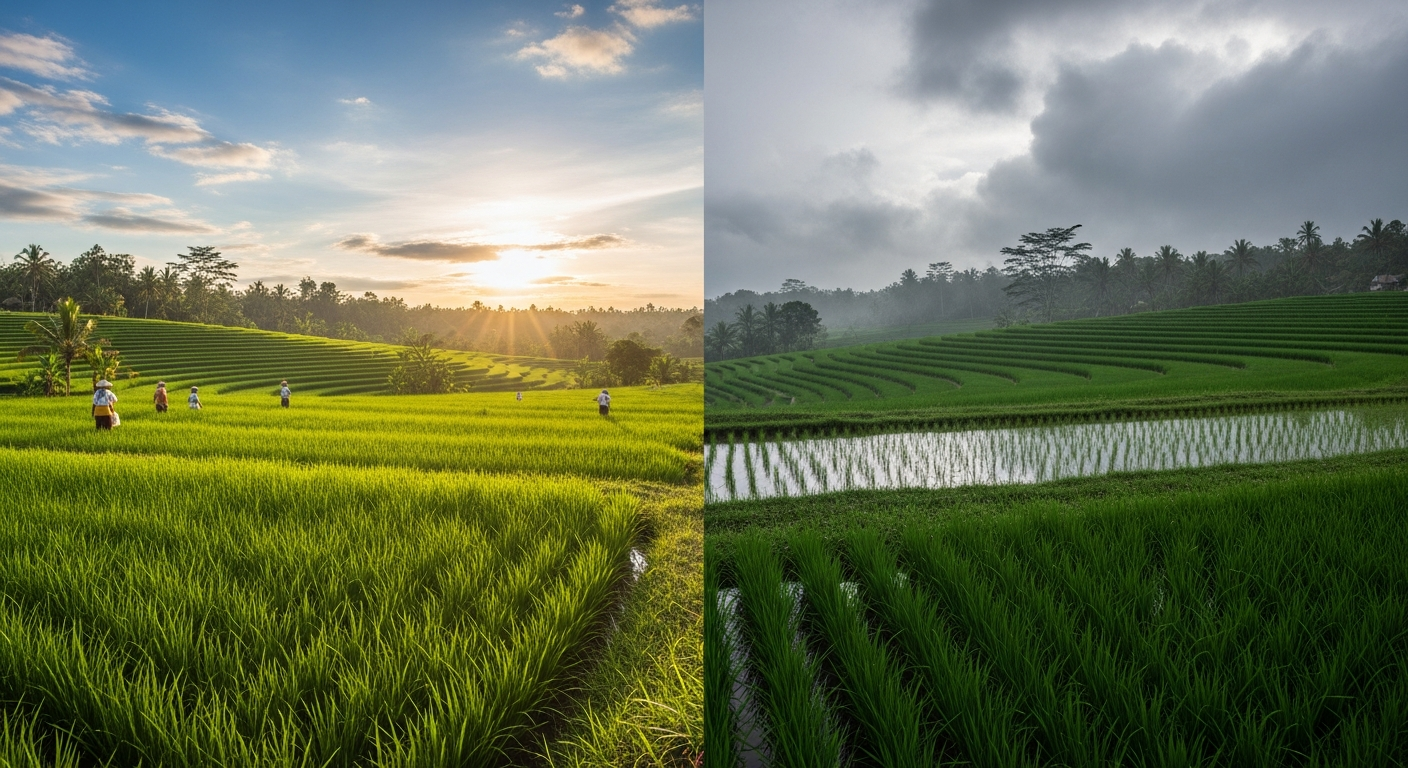
The best time for sightseeing in Bali largely depends on personal preferences, as both the dry and rainy seasons offer unique experiences. However, the dry season from April to October is generally favored for outdoor activities, while the rainy season from November to March presents a quieter, more relaxed atmosphere.
Weather Conditions: Dry Season
The dry season in Bali, which spans from April to October, is characterized by warm and sunny weather, making it an ideal time for sightseeing. Average temperatures during this period range between 27°C to 32°C (81°F to 90°F). Visitors can expect minimal rainfall, allowing for uninterrupted exploration of Bali’s natural and cultural attractions. The dry season is particularly advantageous for visiting outdoor landmarks such as the Ubud Monkey Forest, Mount Batur, and the iconic Tanah Lot Temple. During this period, popular beaches like Nusa Dua and Seminyak offer notable conditions for sunbathing and water activities. The dry season is also known for its lively festivals such as the Bali Arts Festival, which takes place annually in Denpasar.
This season also coincides with Bali’s peak tourist period, resulting in busier attractions and higher accommodation prices. Despite the crowds, the clear skies and gentle ocean breezes make it perfect for beach days and water sports. For those planning a trip in 2027, booking accommodations and tours in advance is recommended to secure the best options. Luxury resorts along the coastline can range in price from $150 to $500 per night, while more budget-friendly options are available in Ubud and other inland areas. Visitors during this time can also enjoy busy night markets, offering a variety of local foods and crafts.
Weather Conditions: Rainy Season
The rainy season from November to March brings a different ambiance to Bali. During this time, Bali experiences increased humidity and frequent, though typically short-lived, afternoon showers. Average temperatures remain warm, ranging from 26°C to 30°C (79°F to 86°F). The lush greenery of the island is most lively during this period, offering a stark contrast to the drier months. This is the perfect time for nature enthusiasts to witness the island’s rice paddies and rainforests at their most verdant. The rain also fills Bali’s waterfalls, such as Gitgit and Tegenungan, making them more spectacular than during the dry season.
Visitors during the rainy season may find fewer crowds and more affordable prices on accommodations and tours. While some outdoor activities might be affected by rain, indoor attractions such as art galleries, museums, and traditional dance performances are great alternatives. The rainy season also provides an opportunity to witness Bali’s cultural festivities, such as Galungan and Kuningan, which are celebrated with lively ceremonies and processions. During this time, accommodations can see discounts of up to 50%, with luxury villas available from $100 per night. The season is also a great time to take part in yoga retreats, as many centers offer reduced rates.
Popular Attractions During the Dry Season
The dry season in Bali is perfect for exploring its famous beaches and cultural landmarks. Areas like Seminyak and Kuta are busy with activities, from surfing lessons to lively nightlife. In Ubud, the Tegalalang Rice Terraces offer striking views, while nearby, the Sacred Monkey Forest Sanctuary provides an intimate encounter with the island’s wildlife. Seminyak’s high-end boutiques and chic eateries draw crowds, while Kuta’s lively beach scene is ideal for those seeking sun and surf.
For the adventurous, hiking up Mount Batur at sunrise is a must-do, offering panoramic views of the island. Coastal temples like Tanah Lot and Uluwatu are also accessible, with the latter hosting traditional Kecak dance performances against the backdrop of the setting sun. The dry season also allows for day trips to Nusa Penida, where visitors can explore its striking beaches and crystal-clear waters. The undersea world around the island is perfect for snorkeling and diving.
Popular Attractions During the Rainy Season
While some might shy away from Bali during the rainy season, this time offers its own set of unique experiences. The waterfalls around Bali, such as Tegenungan and Sekumpul, are particularly impressive, with greater water flow enhancing their dramatic impact. Visitors can enjoy these sights with fewer tourists around. The cooler temperatures make it an ideal time to explore Bali’s interior, including the artistic hub of Ubud with its crafts villages and art galleries.
Indoor attractions such as the Bali Safari and Marine Park and the Bali Museum in Denpasar provide fascinating insights into the island’s natural and cultural heritage. This season is also ideal for experiencing Bali’s traditional spa treatments, as many resorts and wellness centers offer discounts during this quieter period. The rainy season serves as an excellent time to explore Bali’s culinary scene, with cooking classes that offer insights into local ingredients and traditional Balinese dishes.
Travel Tips for the Dry Season
If you decide to visit Bali during the dry season, it’s advisable to book flights and accommodations well in advance, as this is the peak tourist period. Bringing lightweight, breathable clothing and plenty of sunscreen is essential to stay comfortable during the hot, sunny days. Hydration is also crucial, especially when engaging in outdoor activities. Consider carrying a reusable water bottle; hydration stations are common around tourist areas.
Transportation can be more congested during this time, so consider renting a motorbike or hiring a private driver to navigate the island efficiently. Early morning visits to popular sites can help you avoid the largest crowds and heat. For beach hopping along the coast, renting a scooter is a cost-effective and popular option among travelers, costing around $5 to $7 per day.
Travel Tips for the Rainy Season
For those visiting during the rainy season, it’s wise to carry an umbrella or rain poncho to stay dry during the occasional downpours. Comfortable, water-resistant footwear will also enhance your exploration, as some areas may become muddy or slippery. Many travelers also find that packing a light sweater is useful for cooler evenings.
Take advantage of lower prices by exploring luxury accommodations and tours that might be out of budget during the dry season. Keep in mind that rain showers are typically brief, leaving plenty of time for sightseeing. Planning indoor activities during the wettest times of the day can help make the most of your visit. For those interested in photography, the rainy season offers lively and colorful landscapes, perfect for capturing striking images.
Exploring Bali’s Wildlife
Bali offers a rich notable of wildlife experiences that are accessible throughout the year. During the dry season, the Bali Safari and Marine Park is a must-visit, featuring over 100 species, including tigers, elephants, and orangutans. The park also offers night safaris, giving visitors a unique opportunity to experience the nocturnal activities of these animals. A single day entry pass costs approximately $50 USD, inclusive of a buffet lunch.
In the rainy season, the Bali Bird Park in Gianyar provides shelter from the showers while offering encounters with over 250 bird species from Indonesia and beyond. The Bali Reptile Park, adjacent to the bird park, is home to a variety of reptiles, including the formidable Komodo dragon. Entry fees for the bird and reptile parks are around $35 USD for adults, offering a diverse day of wildlife exploration. Conservation efforts are showcased at both parks, making them educational stops for families and wildlife enthusiasts alike.
FAQs
Q? Is it cheaper to visit Bali during the rainy season? A: Yes, traveling during the rainy season typically offers more affordable accommodation rates and tour prices, as it is considered the low season for tourism. Visitors can enjoy discounts and fewer crowds, enhancing their overall experience on the island.
Q? Are outdoor activities like hiking possible in the rainy season? A: While rain can occasionally disrupt outdoor activities, most showers are brief, allowing for hikes and other excursions to continue. It’s advisable to check weather forecasts and be prepared with appropriate gear such as waterproof clothing and shoes.
Q? What are the average costs of accommodation during both seasons? A: Accommodation costs can vary significantly depending on location and type of lodging. During the dry season, prices are generally higher due to high demand. Conversely, the rainy season offers lower rates, with discounts often available for extended stays at hotels and resorts.
For wider arrangements, our partner baliluxurytransport can coordinate end to end.
Planning something bigger across Indonesia? For premium coordination visit balifasttrackairport.
Explore all sanurtourism.com options and plan your trip.
See also: What Is the Total Cost of a Bali Luxury Adventure 2027 Tour Including Double vs Single Occupancy?.
Leave a Reply